How I think, what trained me, and the practice the work has become.
About
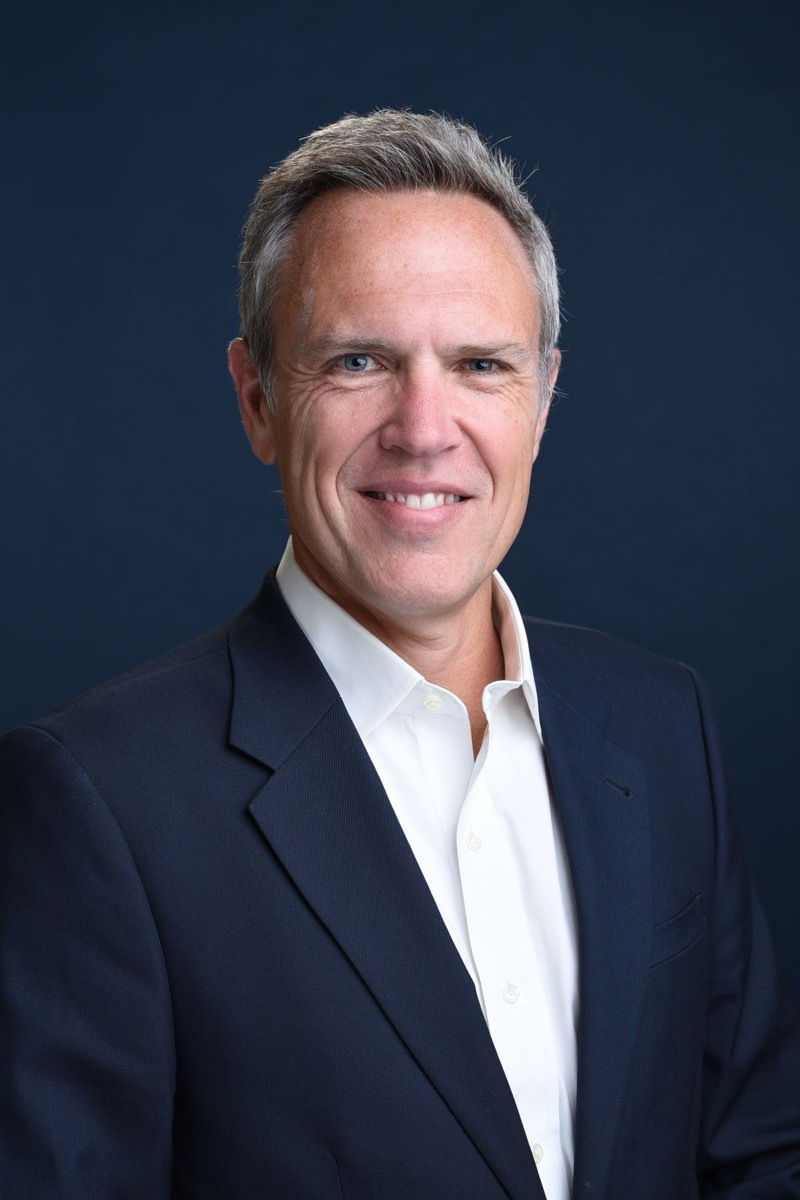
I’ve run companies across pharma, devices, and software for twenty years: built them, grew them, sold one, shut one down, reported to boards, took a company through a regulatory pathway. The fractional COO work I do now is the same job I’ve always done; the fleet is what lets me run more than one at once. When the work surfaces a real application that needs building, LightForge Works, a firm I am part of, builds it.
How I think
When a problem is tangled, I start by asking what decision is actually being made. Then I name what good looks like, state the constraints, and map the workflow far enough to see the handoffs and the failure modes. Then I pick the smallest validating path.
When work fails, it’s usually one of three things: the decision is vague, the owner is unclear, or the proposed system has never run real work. I ask what it costs when the thing breaks, what the return is if it works, and where a person still has to verify the result.
This is also how I build with AI. I care less about adding another tool than about what the system can see, what it’s allowed to do, where it hands work back to a person, and whether it helped.
Music
I trained as a composer. PhD in music theory and composition from Boston University; BA in Russian and Music from Colby College. Composition taught me to hear a system as more than a collection of parts. A piece works because the voices have roles, enter at the right time, and yield when another voice needs the space. The same is true of a well-designed operating system. Each part needs to know what it’s there to do and how it relates to the others.
Coordinated agents get interesting when the roles, timing, boundaries, and handoffs make a person’s work more coherent.
Endurance
Running and triathlon raise the same questions. You pace the distance, and you carry the load you actually have.
It’s the difference between a system that looks impressive at the start and one that keeps working.
The people who live with the system have to be able to maintain, inspect, and improve it.